Three rulebooks, one purchase
An insert is a sizeable purchase, and in Tustin it sits under more than one set of rules: the regional air district, the national standard chimney work follows, and the city permit counter. None of them is hard to satisfy if you know about it before ordering. Owners who learn about them after the unit is on the delivery truck sometimes end up paying twice.
Here are the three, in the order we suggest dealing with them.
The air district and Rule 445
Orange County falls under the South Coast AQMD, and its wood-burning rule, Rule 445, matters to an insert buyer in two ways.
The first is the winter alert. On days when the district forecasts poor air, wood-burning fireplaces, stoves and inserts are not to be lit. Gas units are not part of the alert.
The second is new construction. The rule keeps wood-burning devices out of new developments, so a brand-new house is a gas-only proposition.
For an existing home with an existing fireplace, an EPA-rated wood insert remains a lawful choice. It simply sits idle on alert days, which tend to be the cold, windless nights when a fire is most tempting. If that bothers you, a gas insert sidesteps it entirely.
The rule carries more detail than we cover here, exemptions included. The district publishes the rule text and its daily forecast, and those are the sources to trust over any contractor's summary, ours included.
The chimney standard and the camera
NFPA 211 is the standard most chimney work in the country follows. It names a few moments when a flashlight from the hearth will not do and the flue should be filmed from end to end. Swapping the appliance, such as putting an insert into an open fireplace, is one of them. That deeper inspection is the Level 2.
The reasoning is practical. An insert sends its exhaust through a liner that runs the full height of the chimney. If the old flue has broken tile, a gap at the smoke chamber or a crown letting water in, those faults get closed up behind a new steel box and a new pipe, out of sight for years. Better to know first.
A Level 2 with us is $370. A camera travels each flue from the crown to the firebox, we check the stretch of chimney inside the attic, and we look at the outside from the roof. You receive the video stills, a written list of findings and our view on whether the chimney can take the insert you have in mind.
Findings that change an insert plan
- Cracked or offset flue tiles. The new liner usually covers this, since the insert no longer relies on the clay. We note it so you know what is behind the steel.
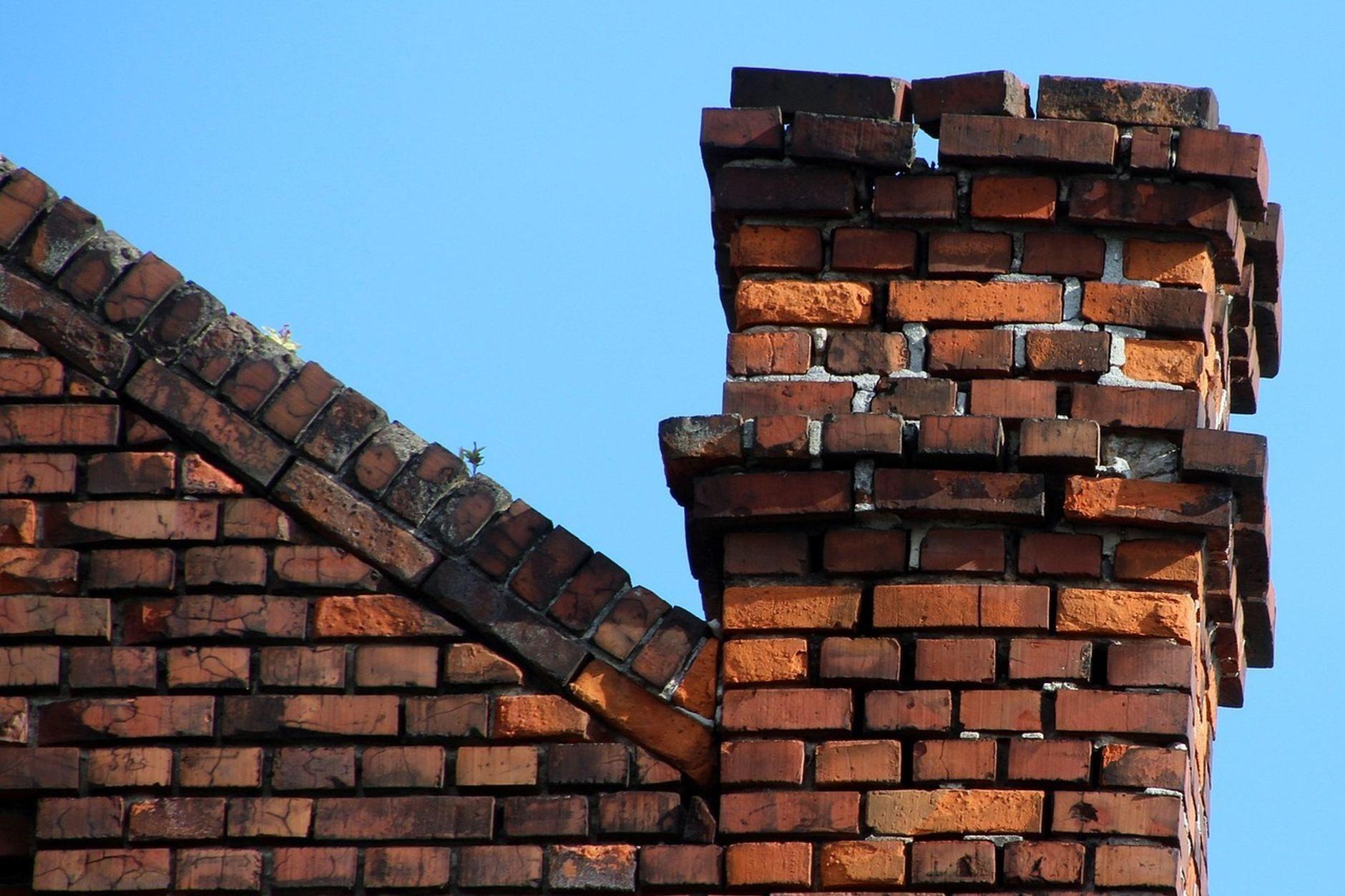
- A cracked crown. Water running down the outside of a new liner rusts the top of the insert. Our chimney crown repair page covers the fix.
- A tight throat. If the opening above the firebox is too narrow for the liner, some masonry has to be cut.
- Framing close to the chimney in the attic, which changes the liner choice and its insulation.
- An existing liner. Some houses already carry a stainless liner from an older stove. It may or may not suit the new insert.
What decides the next step
Once the footage is in, the path forward is plain. If the chimney is ready, we price the insert and its liner. If it needs work first, you get the repair list with each item either priced from our list or given its own written figure, and you decide what to do before the insert goes in. A gas insert in your existing fireplace is $2,650 to $5,250 installed. Liner and masonry work have no published figure; their numbers arrive with the findings.
Book the Level 2 and an insert quote together and we will plan a single visit for both.
The city permit
Insert jobs that add a gas line or a new liner generally go through the City of Tustin's building permit process. Whether your job needs one, and what the city inspector checks, is the city's decision. We tell you when we expect a permit and build it into the plan, so it appears on the quote rather than as a surprise.
Carbon monoxide alarms
State law already expects homes with fuel-burning appliances, fireplaces or attached garages to have carbon monoxide alarms. Adding an insert is a good moment to confirm yours are present, within their service date and working, near the living area and outside the sleeping rooms.
Gas logs are a different purchase
Some owners weigh gas logs against an insert, since logs cost less and keep the open look. A log set sits in the old firebox and sends its exhaust up the existing flue with the damper held open, so it warms the room far less than a sealed insert and loses much of its heat up the chimney. Like any gas appliance, it is outside the wood-burning alert. If heat matters to you, an insert does more; if the look matters most, logs may be enough. Our fireplace gas logs page covers the sets we fit.
Buying the insert yourself
Some owners buy an insert first and look for an installer second. If you go that way, keep the box and the manual, and compare the maker's clearance and liner requirements with your fireplace before paying. We fit units bought elsewhere when the fireplace and chimney suit them, and the Level 2 tells us whether they do.
More reading
The fireplace inserts page lists what we install, the Level 2 inspection page explains the camera visit, and gas or wood insert compared sets the two fuels side by side.
Ready to start
Use our contact page to ask for a Level 2 ahead of an insert, and mention whether gas or wood is on your mind.
Want This Looked at in Your Own House?
McNeil Chimney Care works out of Tustin across Orange County. Send a few lines about the fireplace or stove, and we will suggest the visit and give the listed price where there is one.