Two households, one street, different fires
Two families on the same Tustin block can want very different things from a fireplace. One wants a fire at the press of a button on a December evening, with no ash, no wood pile and no smell on the curtains. The other wants oak crackling on a Saturday afternoon and does not mind hauling logs from the side yard. Both can retire the open fireplace and the smoke it pours into the neighborhood. They just get there with different inserts.
Below is how a gas insert and an EPA-rated wood insert compare on the points owners raise with us most often.
Smoke
- Gas: no visible smoke once the burner is set up properly. The exhaust is mostly water vapor and carbon dioxide, carried outside through a sealed vent.
- Wood: a small fraction of what an open fire puts out, but never zero. It peaks while the fire is getting going and when the air control is turned down too far for an overnight burn.
Burn alerts
The district that sets wood-burning rules for Orange County is the South Coast AQMD. On winter days when fine particles are forecast to build up, its Rule 445 allows a ban on wood burning across the basin.
- Gas: usable every day, alert or not.
- Wood: stays unlit on an alert day, the same as any wood-burning device.
The cold, still nights that tempt you to light a fire are often the same nights an alert goes out. If a fire on those evenings matters to you, gas is the one that delivers it.
Heat
Both put real warmth into the room, far more than an open fireplace. A wood insert usually puts out more at full burn and keeps radiating from its steel body after the flames die. A gas insert gives steady, adjustable heat that starts in seconds and stops when you switch it off. In a climate as mild as ours, a mid-sized gas unit is more than enough for most living rooms.
Upkeep
- Gas: one service a year. The burner, pilot, glass seal and vent are cleaned and checked. No ash and no wood storage.
- Wood: a sweep at least once a season, more with heavy use. Ash to carry out, a door rope and firebrick to renew every few years, and a dry place to keep a season's wood.
Price
A gas insert in your existing fireplace runs $2,650 to $5,250 installed with McNeil Chimney Care. A wood insert has no published figure, because the box, the liner and the hearth needs vary so widely; we price each one from measurements taken at the house. Gas brings a monthly fuel bill. Wood can cost little if you have a source, though most buyers pay for seasoned firewood.
Looks and feel
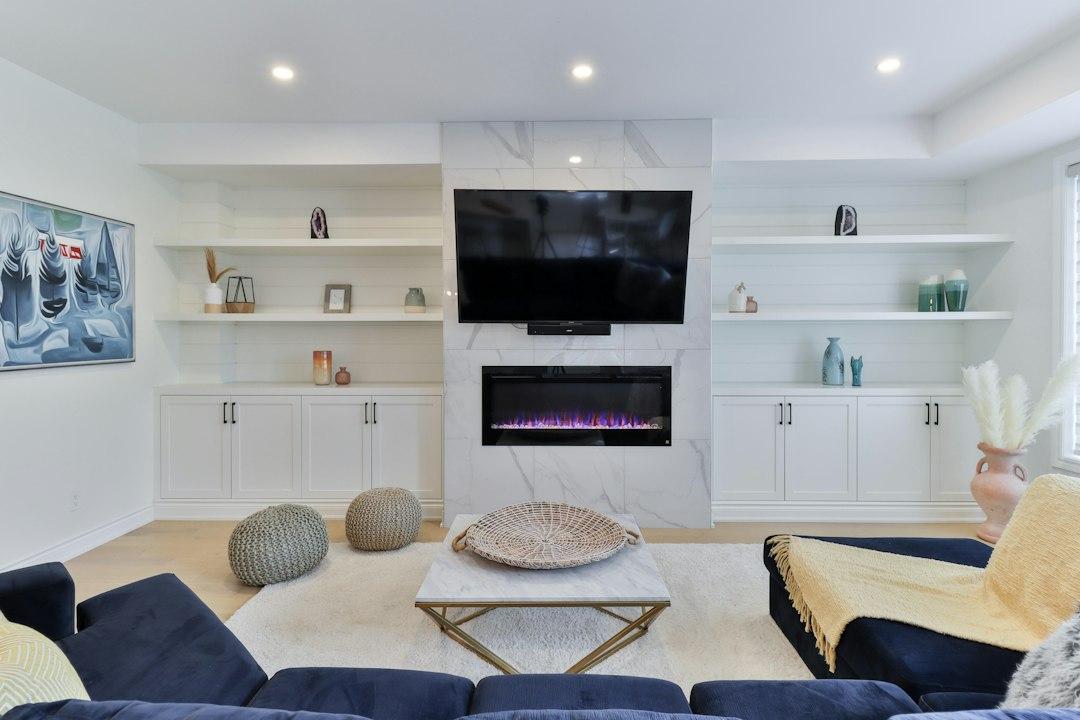
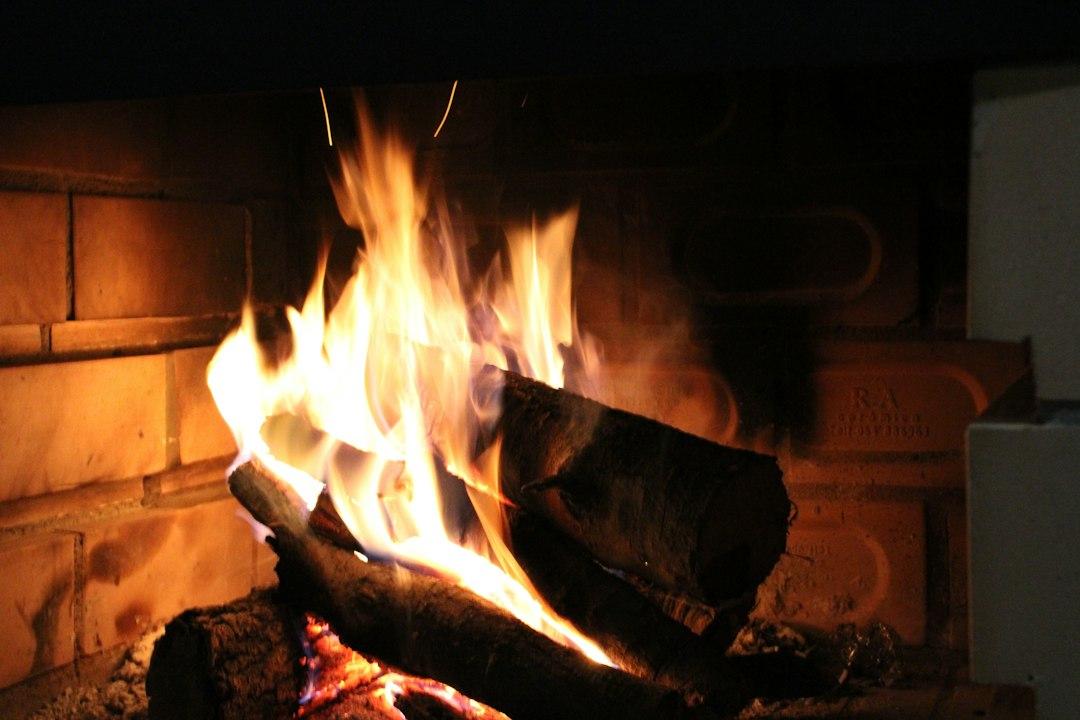
Both come with a choice of surround and door styles. A gas insert can carry ceramic logs or a modern bed of glass or stones, and the flame looks the same every time. A wood insert shows a real fire with live coals behind the glass, and the glass needs wiping now and then. Some people find the gas flame a little too even; others find the wood glass a chore. If you can, see both burning before you choose.
Fire weather
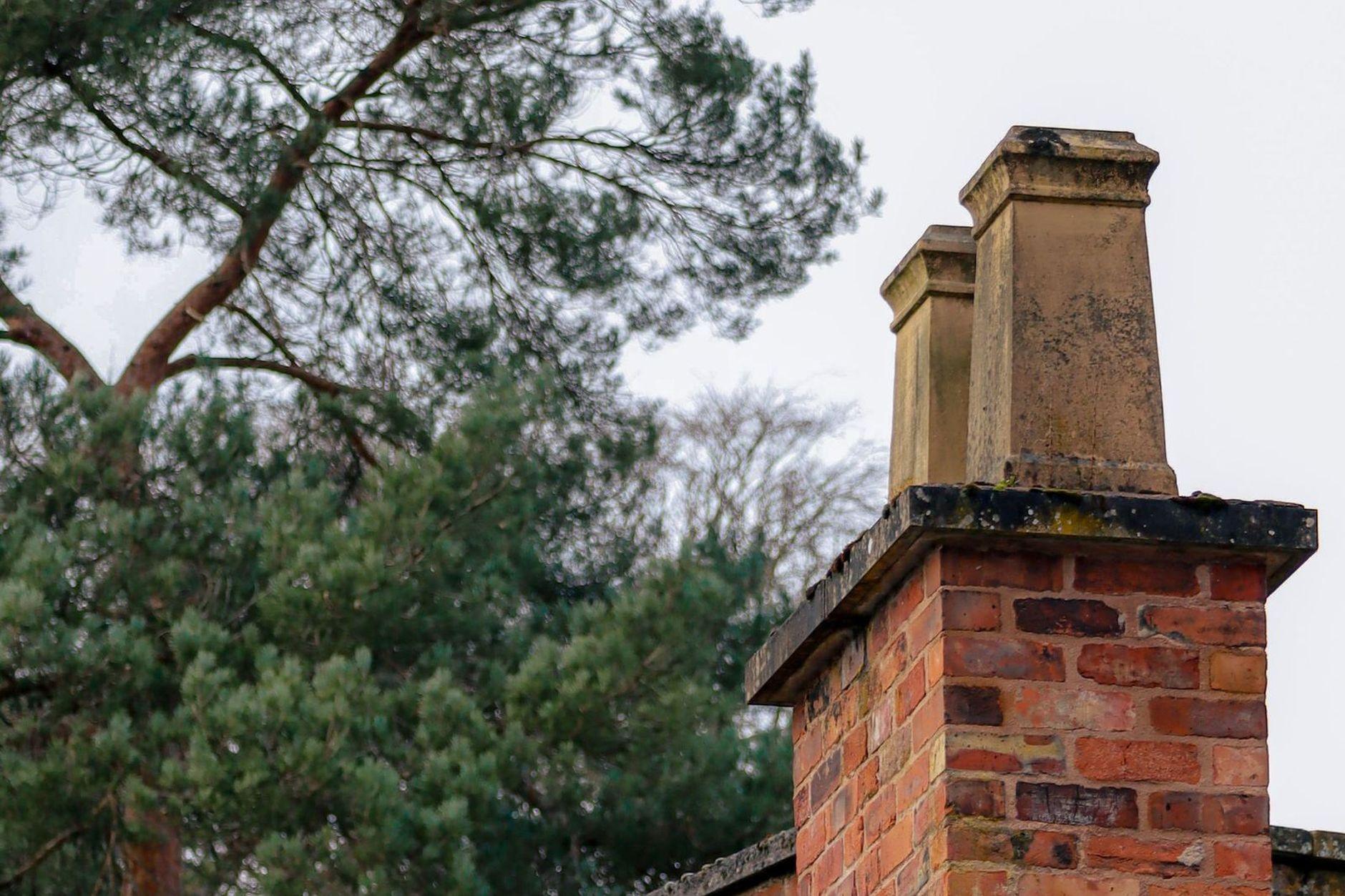
Santa Ana winds blow hot and dry through Orange County most autumns. A wood fire sends sparks up the flue, and a cap with mesh at the top of the chimney stops most of them. A gas insert sends up no embers at all. On a windy October night that difference counts for more than it does during January rain. If you go with wood, a sound cap is part of the job; installed caps are quoted after we measure the flue, by size and metal. Our chimney cap installation page describes the options.
Resale and the buyers who follow you
Buyers in Orange County ask more often what a fireplace means for indoor air and for the neighbors. A gas insert answers that in one line of a listing. A wood insert answers it well too, if it carries an EPA rating and a record of yearly sweeps. What tends to put buyers off is an open fireplace with a stained face and no paperwork, because nobody can tell how it was used. Whichever insert you pick, keep the manual, the install papers and each service note together; a buyer's inspector usually asks for them first.
Questions that usually decide it
- Do you want a fire on alert days? If yes, gas.
- Do you have cheap, dry hardwood and room to store it? If yes, wood looks attractive.
- Does anyone at home have asthma, or are your neighbors' windows close to your chimney? Gas is the gentler choice.
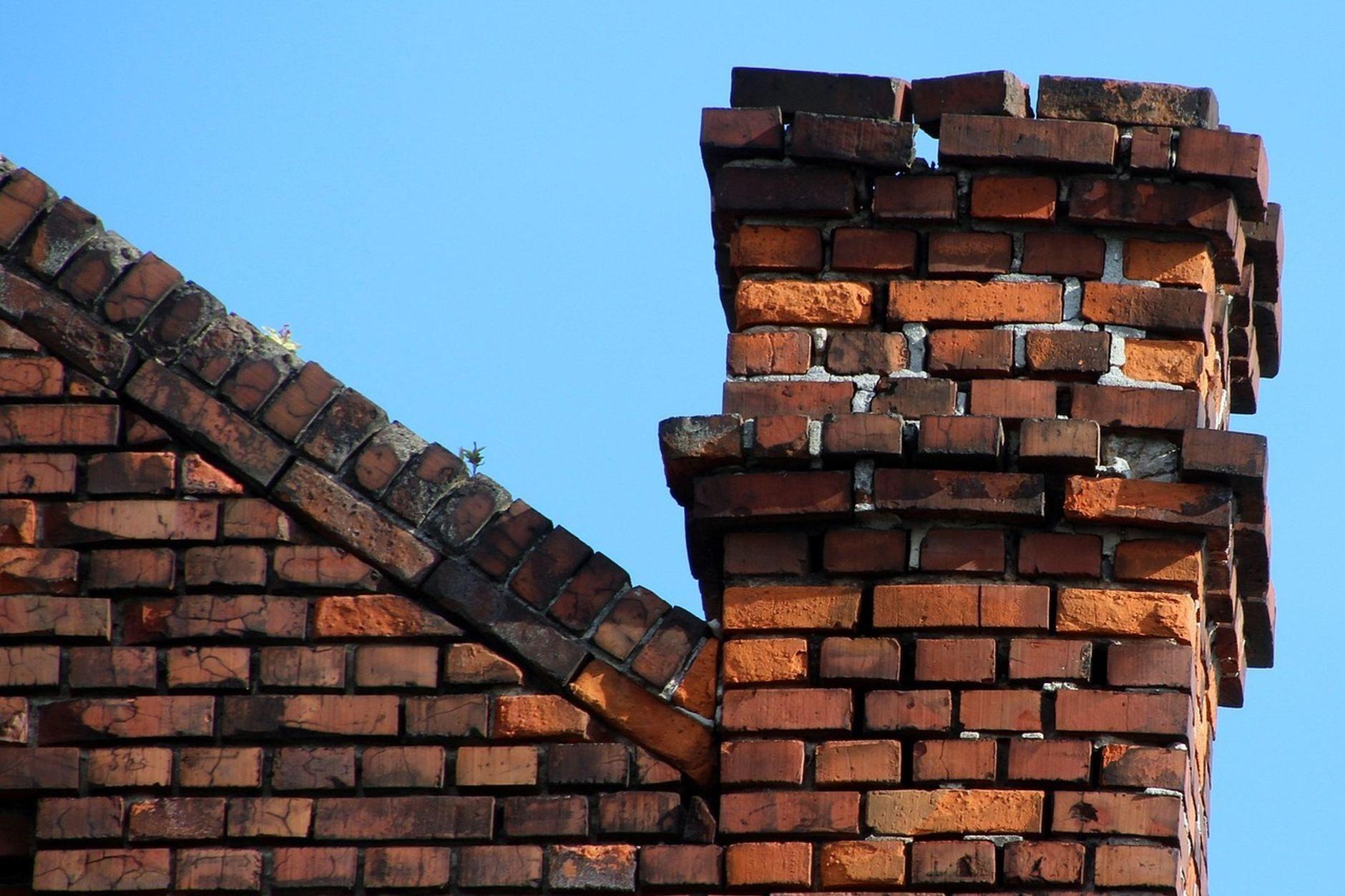
- Is the chimney sound? Either insert needs one, but wood puts more heat and more tar into it.
What decides the next step
Before either insert, we want to see inside the chimney. A Level 2 inspection with a video scan, $370, shows the flue from top to bottom and tells you whether the insert can go in as planned or whether the chimney needs work first. NFPA 211 lists a switch in fuel or appliance among the times that deeper look is called for.
Ask for an insert quote with the inspection and say which fuel you are leaning toward.
Reading further
The fireplace inserts page lists the units we fit. The rules side of the purchase is in Rule 445 before you buy an insert, and the cost breakdown is in fireplace insert cost in Tustin.
Still undecided?
Drop us a line from the contact page with your house's age and how often you light a fire, and we will help you weigh one against the other.
Want This Looked at in Your Own House?
McNeil Chimney Care works out of Tustin across Orange County. Send a few lines about the fireplace or stove, and we will suggest the visit and give the listed price where there is one.