Why households are swapping open fires for sealed boxes
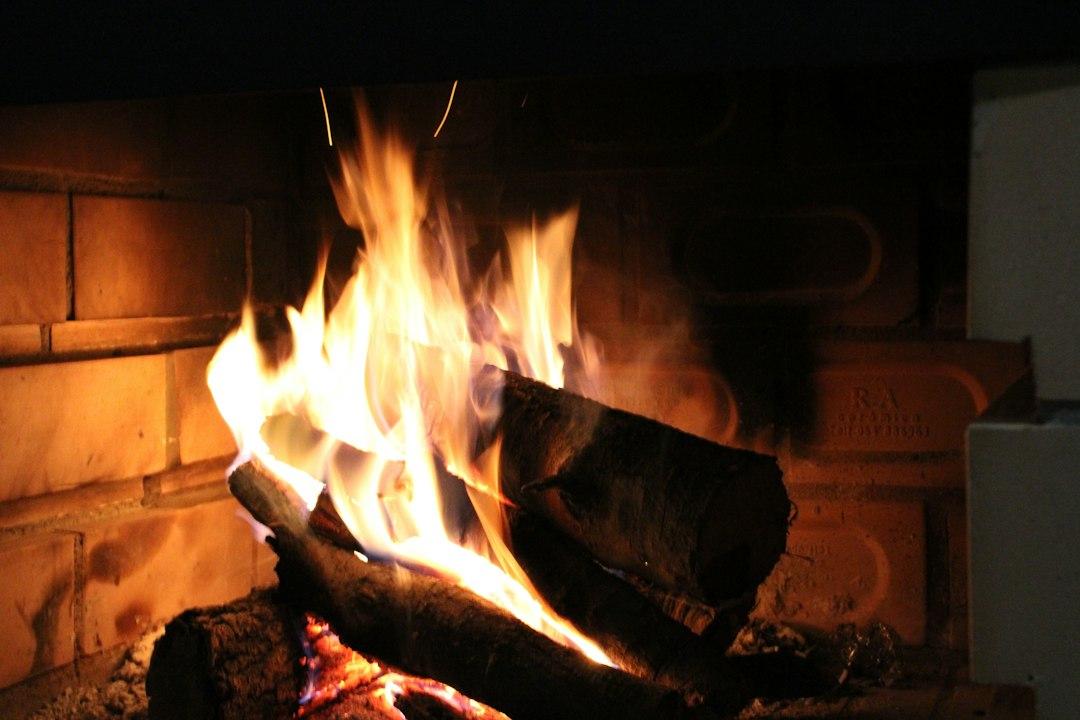
An open masonry fireplace sends most of its heat up the chimney and a fair share of its smoke out the front of the house and over the fence. In Tustin, where lots sit close together and a still winter evening can hold smoke low over a street, that smoke reaches a neighbor's bedroom window about as often as it climbs away. A sealed insert changes both sides of the problem. The fire sits in a closed steel box behind glass, the box takes in air in a measured way, and the exhaust leaves through its own liner at the top of the chimney.
This post sets out what an insert costs with McNeil Chimney Care, what that figure includes and what it leaves out, so you can hold our quote next to anyone else's and compare it line for line.
The published figure for gas
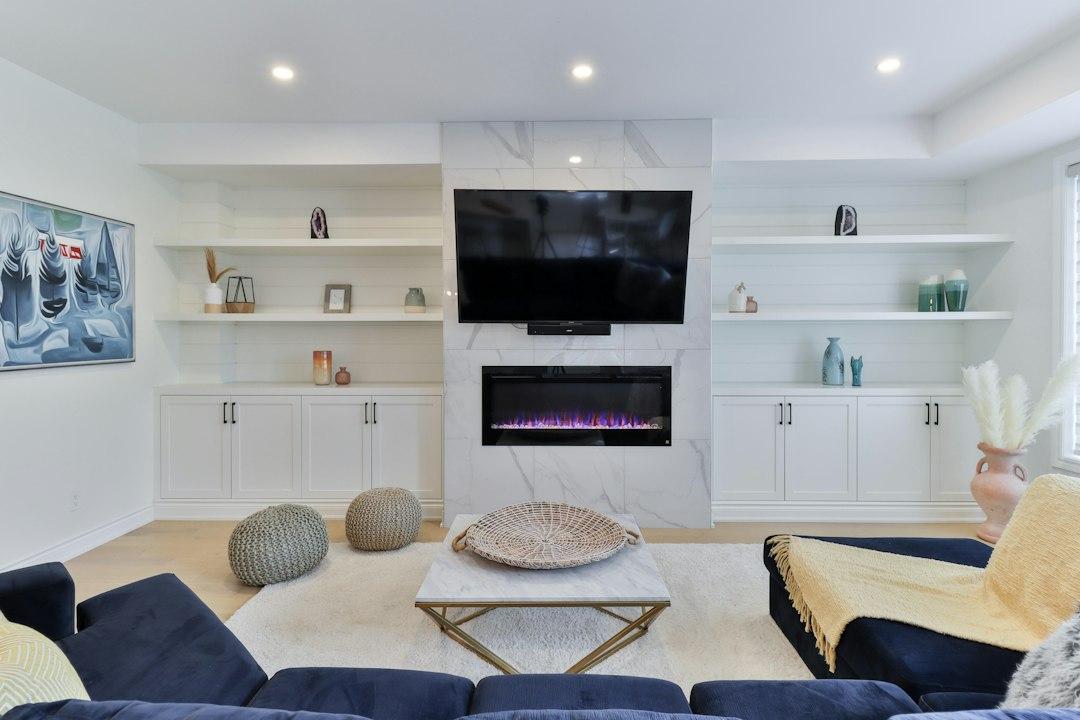
A gas insert fitted into the brick or factory-built fireplace you already own costs $2,650 to $5,250 with us, installed. That spread is real money, and it comes from a handful of choices:
- Box size. A shallow firebox from a 1960s tract house takes a narrower unit than a deep brick opening in an older home. Larger boxes cost more.
- Burner and controls. A plain valve with a wall switch sits at the low end. A remote thermostat, a blower and a pilot that only burns while the fire is on push the price up.
- Trim. A slim black surround costs least. A wider surround that hides a stained or chipped brick face adds to it.
- Gas supply. If a line already reaches the hearth, the job is shorter. A new run from the meter or a nearby appliance adds the plumber's hours.
- Venting. Most gas inserts vent through two pipes run up the old flue, one carrying exhaust out and one bringing outside air in. A tall chimney means more pipe.
Wood inserts have no published figure
An EPA-rated wood insert is a heavier and more variable job. The steel box can weigh several hundred pounds, the liner is full-size stainless, and some fireboxes need masonry trimmed at the throat before the pipe will fit. Those factors move too much between houses for one honest range. We measure the opening, look up the flue and put a figure on paper before you order anything.
What the insert price covers
- Clearing the old grate, any glass doors and loose debris out of the firebox
- Sweeping the existing flue first, so the new pipe does not run through years of tar
- The insert, its surround and its liner or vent pipes
- Hooking a gas unit to the supply and testing every joint for leaks
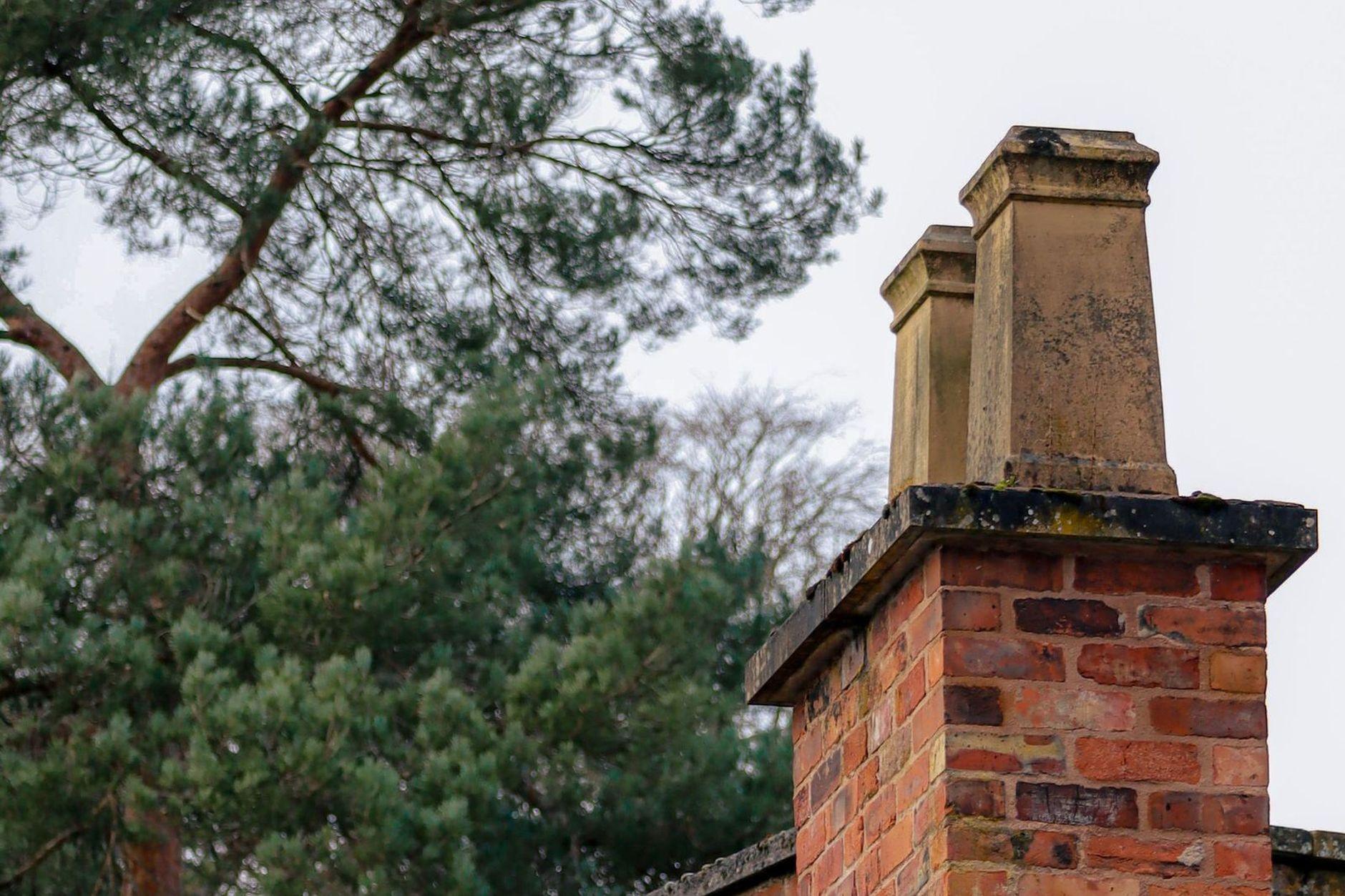
- A top plate at the crown that seals around the liner
- The first fire with you in the room, so you see the controls and the flame you should expect
What sits outside it
Some findings belong to the chimney, not the insert, and we price them on their own lines so you can decide on each:
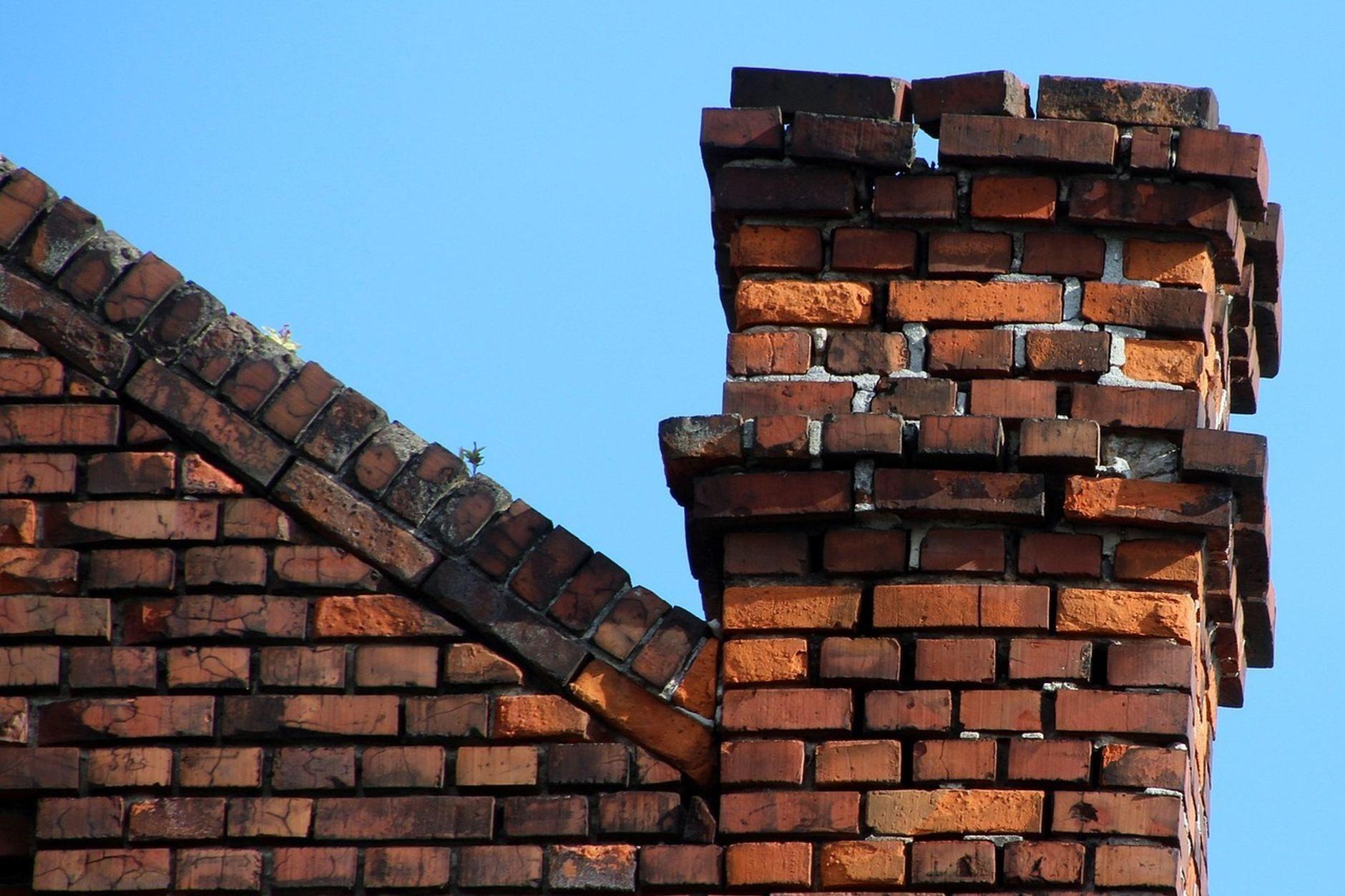
- Cracked crowns, open mortar joints or a stack out of plumb. A liner does nothing for the brick around it.
- A power outlet at the hearth for a blower or remote receiver, if none exists.
- Work the city of Tustin's building department asks for under the permit.
- Patching drywall, tile or a mantel once the old face comes off.
The camera inspection usually settles which column a finding lands in. A Level 2 with a video scan is $370, and it shows both of us whether the chimney can carry the insert as it stands. Where the footage shows only soot, the insert goes ahead. Where it shows broken tile or a gap at the smoke chamber, you see that before spending anything on the unit.
Ask for a written insert quote and add the width of the fireplace opening if a tape measure is handy.
How much smoke goes away
A gas insert makes almost no visible smoke. Natural gas burned at the right mix leaves mostly water vapor and carbon dioxide, which is why gas appliances sit outside the South Coast AQMD's wood-burning alerts. You can run one on a still January night without anything drifting into the next yard.
A wood insert still burns wood, so it still smokes, but far less than the open fire it replaces. The box keeps the fire hot and feeds air above the logs as well as below, so more of the gases burn inside instead of leaving as a brown plume. New wood heaters sold in the United States are tested against an EPA smoke limit, and the result is printed on a label on the unit. In the district's eyes a wood insert is still a wood-burning device, though, so it sits cold on an alert day like any open fireplace.
The running cost after install
The price on the day is only part of the bill. Plan for:
- Gas: a yearly service to clean the burner and pilot, check the glass seal and test the vent. Our gas fireplace repair page covers what that visit includes.
- Wood: a sweep every season, from $395, and more often if you burn most evenings. Split hardwood that has dried for a year keeps tar low and the glass clear.
- Both: a working carbon monoxide alarm near the room and outside the bedrooms, tested each autumn.
Which one suits your house
There is no single right answer. Households who mainly want a fire for evenings and holidays, and who care most about the air on their street, usually choose gas. Households with a wood supply, or who want the sound and smell of real logs, pick a wood insert and live with the alert calendar. Our post on gas and wood inserts compared lays out the trade-offs, and the fireplace inserts page lists the kinds of units we fit.
Putting a figure on your fireplace
The details that help most are the age of the house, whether the fireplace is brick or a metal factory box, and which fuel you lean toward. From there we set a visit to measure and film the flue, then send the written price. Start on our contact page whenever you are ready to see real numbers for your own hearth.
Want This Looked at in Your Own House?
McNeil Chimney Care works out of Tustin across Orange County. Send a few lines about the fireplace or stove, and we will suggest the visit and give the listed price where there is one.